
Table of Contents
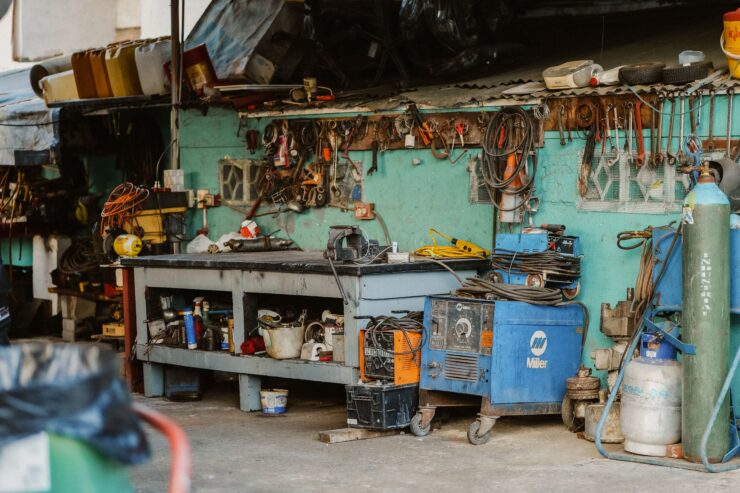
A garage full of metal is harder to clear than it looks. A pile of pipes, rusty shelving, old tools and appliance parts can hide sharp edges, awkward loads and items that should not go into a general scrap pile. The efficient approach is to make decisions before you start carrying: create clear destinations, sort in small batches and arrange removal before the garage is emptied into the driveway.
This plan works whether you have one crowded corner or a space where the car has not fit for years. Set aside a half-day or several shorter sessions; progress is measured by what leaves safely, not by how quickly you move it.
1. Make a safe sorting zone
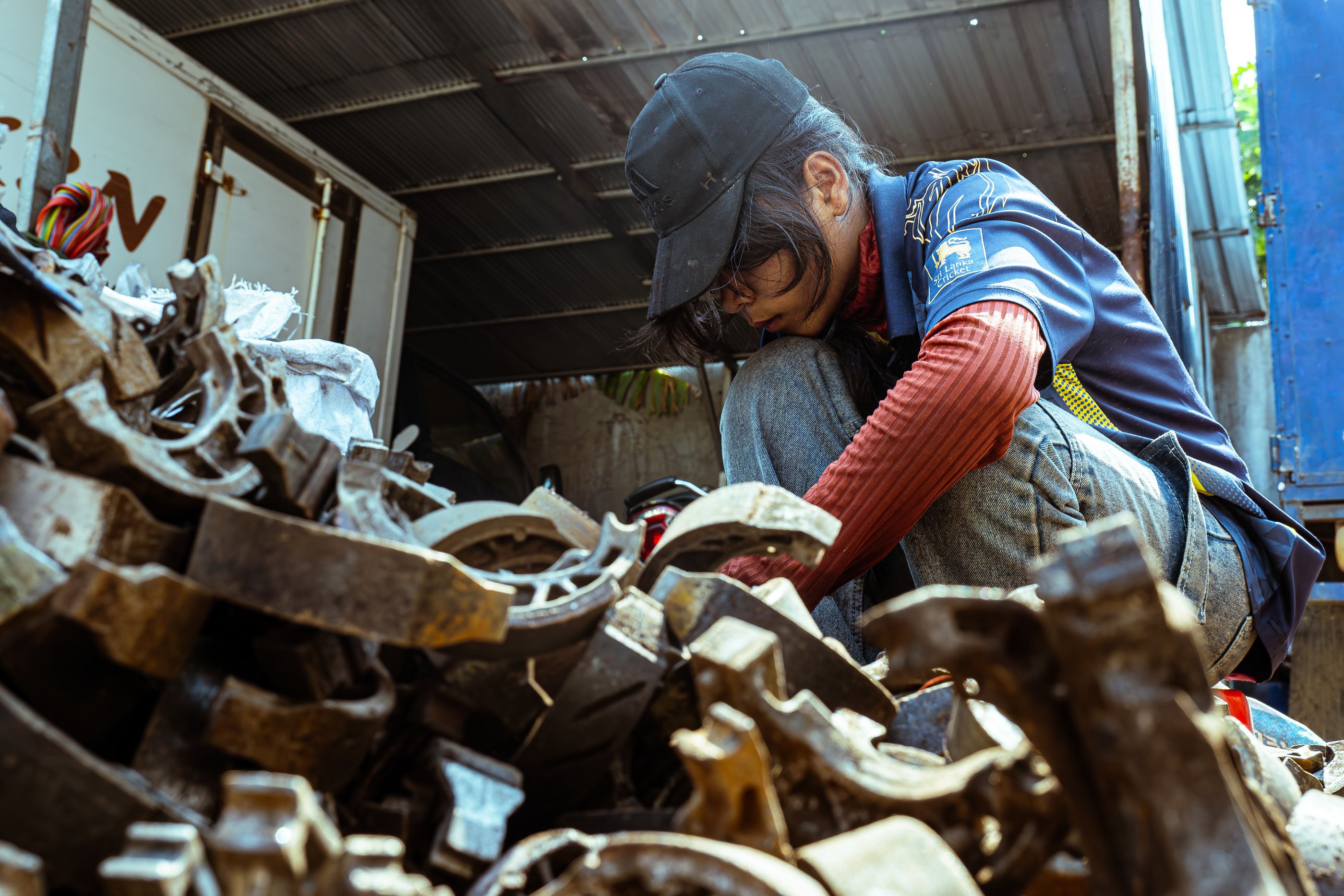
Start by clearing a walkway from the garage door to the work area. Put on sturdy closed-toe footwear and work gloves, and improve the lighting if the corners are dim. Keep children and pets out while you work. Do not pull a stack apart blindly: check what is supporting it, then remove pieces from the top so nothing shifts or falls.
Mark four zones with boxes, tarps or signs: keep, reuse or sell, metal recycling, and special disposal. A fifth small box for ordinary rubbish can prevent wrappers and non-metal parts from contaminating the scrap. Keep a clear route to the exit; a tidy pile is not useful if you must climb over it to reach the door.
2. Identify hazards before lifting
Look for sharp sheet edges, nails, tangled wire, unstable shelving and items with hidden weight. Wear eye protection if rust, dust or loose fragments may fall. Cover or contain sharp edges where practical, and do not compress scrap into bags where a jagged end could puncture through.
Pause on anything that could be hazardous: vehicle or tool batteries, gas cylinders, pressurised containers, fluorescent tubes, chemical tins and old equipment containing unknown fluids. Keep these separate and intact. Never cut, puncture or dismantle a cylinder or battery to make it easier to move. Check your local authority’s rules before taking special items anywhere.
For heavy or awkward pieces, reduce the load or use a trolley rather than trying to prove you can lift it. The Health and Safety Executive’s manual-handling guidance recommends planning the move, keeping a load close, avoiding twisting and getting help or using an aid when needed. That is especially sensible with metal: the centre of weight can be hard to judge, and an edge can injure even when the object is not especially heavy.
3. Sort by what the item is worth to you

For each item, ask one direct question: would you realistically use it in the next year? Keep tools and hardware that are in working order and have a defined storage place. If an item is sound but no longer useful to you, consider selling or donating it. An old vice, metal shelving or a complete bicycle may have more value as an intact object than as mixed scrap.
For everything else, make a basic separation between ferrous metal (typically attracted to a magnet, such as steel and iron) and non-ferrous metal (such as aluminium, copper and brass). You do not need to identify every alloy to declutter, and a magnet is only a rough sorting aid, not a guarantee of composition. Keep small pieces contained in sturdy boxes or tubs and label them clearly.
Give reusable goods a deadline. If an item is still in the “sell” zone after a week or two, choose a donation or disposal route rather than letting the garage become a temporary warehouse. If the job needs outside help, compare practical junk-removal options and confirm what each provider accepts before booking.
4. Plan the metal’s exit before loading
Check your council’s household recycling information before loading the car or hiring a van. Acceptance rules, booking systems, vehicle limits and arrangements for batteries or cylinders vary by area. GOV.UK’s recycling collections service lets people in England and Wales find their local council’s recycling information. Confirm the specific site’s guidance rather than assuming all metal or scrap is accepted in the same way.
Make the route match the load: reusable pieces can go to a buyer or donation point; clean scrap can go to an appropriate metal recycler or collection service; and hazardous items need their own approved route. If you arrange collection, describe the material honestly, including bulky appliances, sharp pieces and special items. Ask whether the collector separates metal for recycling and whether you need to prepare anything. Keep valuables and reusable tools out of the collection area.
Load only what you can move safely. Use a trolley for long or heavy pieces, secure loose items in the vehicle, and avoid stacking material where it can slide during transport. If a load blocks your view or is too heavy to control, make another trip or get help.
5. Clean the empty floor, then design the storage
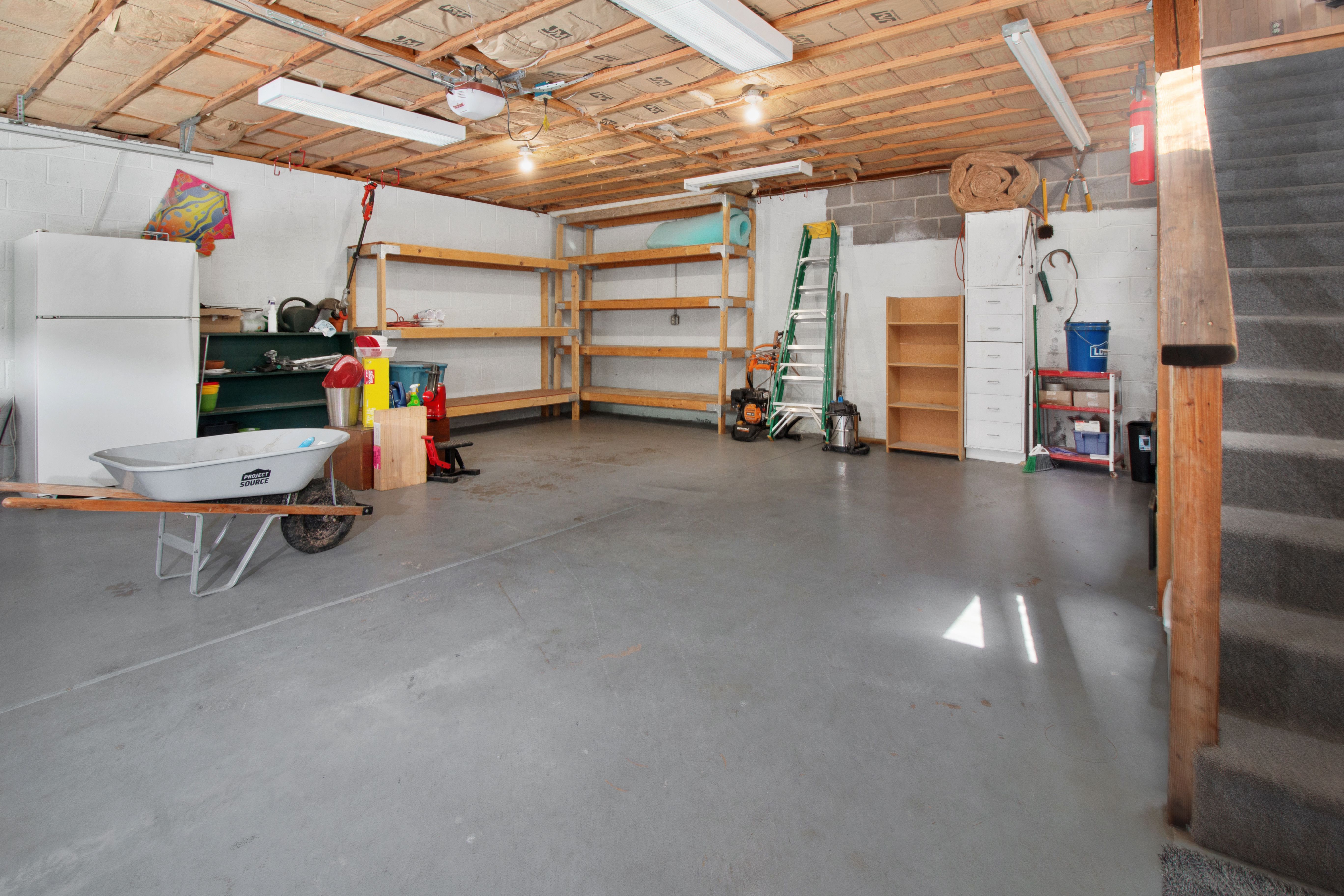
Once the scrap is gone, sweep carefully and look for small screws, sharp fragments, leaks or damage hidden under the piles. Wipe down shelves before putting anything back. Resist replacing every cleared item with a new storage system; first notice what you actually need to store.
Keep heavy equipment low and stable, frequently used tools at a comfortable height, and seasonal or light items higher up. Store long metal stock flat on a suitable rack or secure it so it cannot tip. Avoid piling metal against the door or creating a narrow route through the room. Leave enough open floor to bring in a bicycle, mower or car without shifting everything first.
6. Give the tools a home that stays workable

A wall rack or pegboard can work well for hand tools, but only for items that are light enough and safe to hang securely. Put small fixings into labelled containers and keep sharp tools sheathed or positioned so their edges cannot catch someone passing. Mark a shelf or bin for offcuts if you genuinely reuse them; set a limit so the collection does not quietly grow back into the same problem.
Finish with a simple rule: every kept item needs a place, and every new piece of scrap gets sorted rather than dropped in a corner. A monthly five-minute check is often enough to spot a growing pile early. The useful result is not an immaculate showroom; it is a garage where you can reach the tools, move safely and tell at a glance what needs to leave.