
Table of Contents
You’ve already done the predictable Munich. You stood in Marienplatz, watched the Glockenspiel, maybe drifted through the English Garden and thought, alright, that’s that. But Munich doesn’t really end there.
The second time around feels different. You stop looking for landmarks and start noticing how the city behaves. That’s when Munich gets interesting.
This is where you go when you’re done with the checklist and want something that feels a bit more lived in.
Where Munich Slows Down Without Trying
There’s a point where you stop “seeing” Munich and start slipping into it. That usually happens along the Isar River, not far from the busier parts, but far enough to feel like you’ve stepped out of something.
People sit on the banks, not doing much. Talking, reading, sometimes just staring at the water. It’s the kind of place where nothing is arranged for you, and that’s exactly the point.
The Isar stretches across the city with long, relaxed riverbanks used for walking, cycling, and even swimming in certain areas.
The Side Streets That Don’t Introduce Themselves
If you want Munich to feel different, stop aiming for anything specific. Walk into neighborhoods like Glockenbachviertel or Isarvorstadt and let things happen at street level.
This is where the city loosens up a bit. Cafés that don’t look like much from the outside, small design shops, bars that feel like someone forgot to advertise them.
And somewhere in that drift, you might end up in unexpected company or conversation. Places like Louisa Escort tend to exist in that same quiet layer of the city, not part of the obvious scene, but woven into it in a way that only becomes visible once you’re paying attention differently.
Hidden Places That Feel Almost Accidental
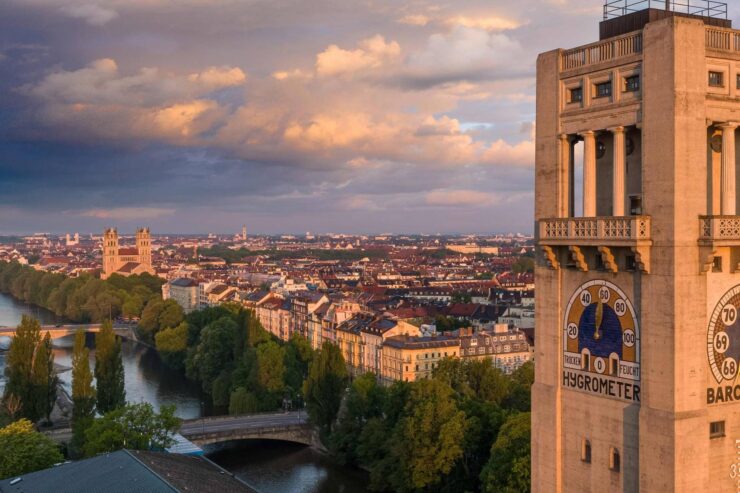
Munich has a habit of hiding things in plain sight. You walk past them once, maybe twice, before realizing they’re worth stepping into.
Take places like Asamkirche or small residential churches. They don’t announce themselves. Then you walk in, and suddenly it’s all detail and silence.
Or something like Klenze’s Stone Bench, which feels like a rumor more than a place. You don’t quite believe it exists until you find the narrow path behind it.
Some spots to look for:
- Small inner courtyards in the old town
- Quiet chapels tucked between buildings
- Galleries that feel more like studios than museums
The Munich That Happens After Dark
There are places where things feel a little more alive. Jazz bars, low-lit beer halls, small venues where people actually listen instead of just showing up.
You might find yourself somewhere like Jazzbar Vogler, or just sitting outside with a drink, watching the city move in slower patterns.
What changes isn’t the energy, it’s the focus. The city stops performing for visitors and turns inward a bit.
When You Stop Looking for Sights
There’s a moment where you realize the best way to experience Munich is to copy what people who live there already do.
That might mean:
- Buying something simple from a market and eating it nearby
- Sitting in a beer garden that isn’t trying to impress anyone
- Going to a small cinema instead of a major attraction
Locals often gravitate toward quieter, less obvious experiences, from neighborhood markets to independent cafés and small cultural spaces.
None of this feels like sightseeing. That’s exactly why it works.
A Different Kind of Museum Experience
If you’ve already done the major museums, the next step is to shrink the scale.
Munich has dozens of smaller, more focused spaces that feel less like institutions and more like someone’s ongoing obsession.
You walk in without expectations, and that changes everything.
| Type of Place | What It Feels Like | Why It Works |
| Small galleries | Quiet, personal | You don’t rush |
| Niche museums | Slightly strange | You remember them |
| Local exhibitions | Temporary, imperfect | They feel alive |
Day Trips That Don’t Feel Like Escapes
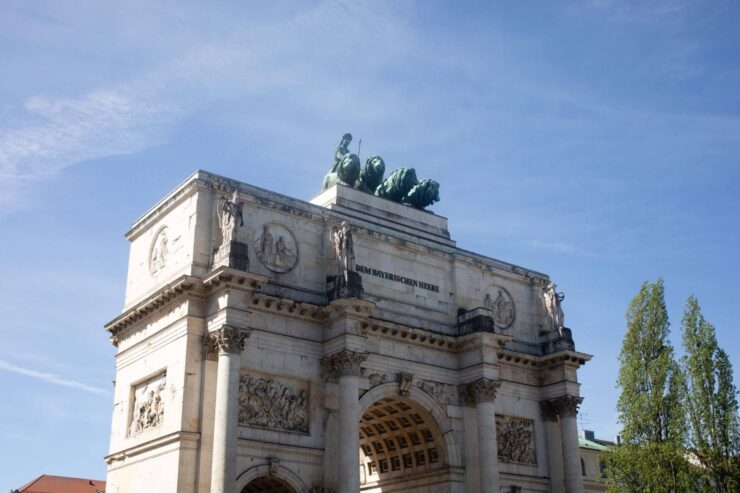
Places like Blutenburg Castle or smaller lakes around the city give you that sense of stepping out without really disconnecting.
Even just a short train ride changes the rhythm.1
What matters is not the destination, but the shift. The way the city fades slightly and then returns differently when you come back.
The City Reveals Itself When You Stop Asking It To
Munich doesn’t try very hard to be interesting. That’s what makes it interesting.
Once you’ve seen the main sights, the city becomes something else entirely. Less about where to go, more about how to be there.
You walk more slowly. You stay longer than you planned. You sit somewhere without checking your phone.
And somewhere in that, Munich stops being a place you visit and becomes something you move through without thinking too much about it.
That’s when it works best.