
Table of Contents
Choppers go bare. Touring bikes wear a barn door. Every windshield decision a new rider makes sits somewhere between those two pictures.
A windshield is usually sold as a comfort accessory, as if it were a cup holder. It isn’t. It decides how tired your neck and shoulders feel after four hours, how much noise reaches your ears, and – if you get it wrong – whether your helmet shakes so hard at speed that the road blurs. The most repeated advice on the internet is that a windshield should sit at eye level. For most riders, that advice is wrong.
What a windshield actually does to the ride
It doesn’t block wind so much as redirect it. Get the shape right and air flows over your helmet in a smooth layer. Get it wrong and the screen sheds a swirling sheet, called a vortex layer, straight at head height.
A University of Minnesota wind-tunnel study tested several screens. The tallest sent the vortex sheet over the rider’s head, and buffeting was minimal. The shortest aimed it at the helmet, and buffeting peaked. A bike with no screen produced almost no windshield-induced buffeting at all. That is the counterintuitive part: taller is not automatically better, and a badly sized screen can be worse than none.
Look over, or look through?
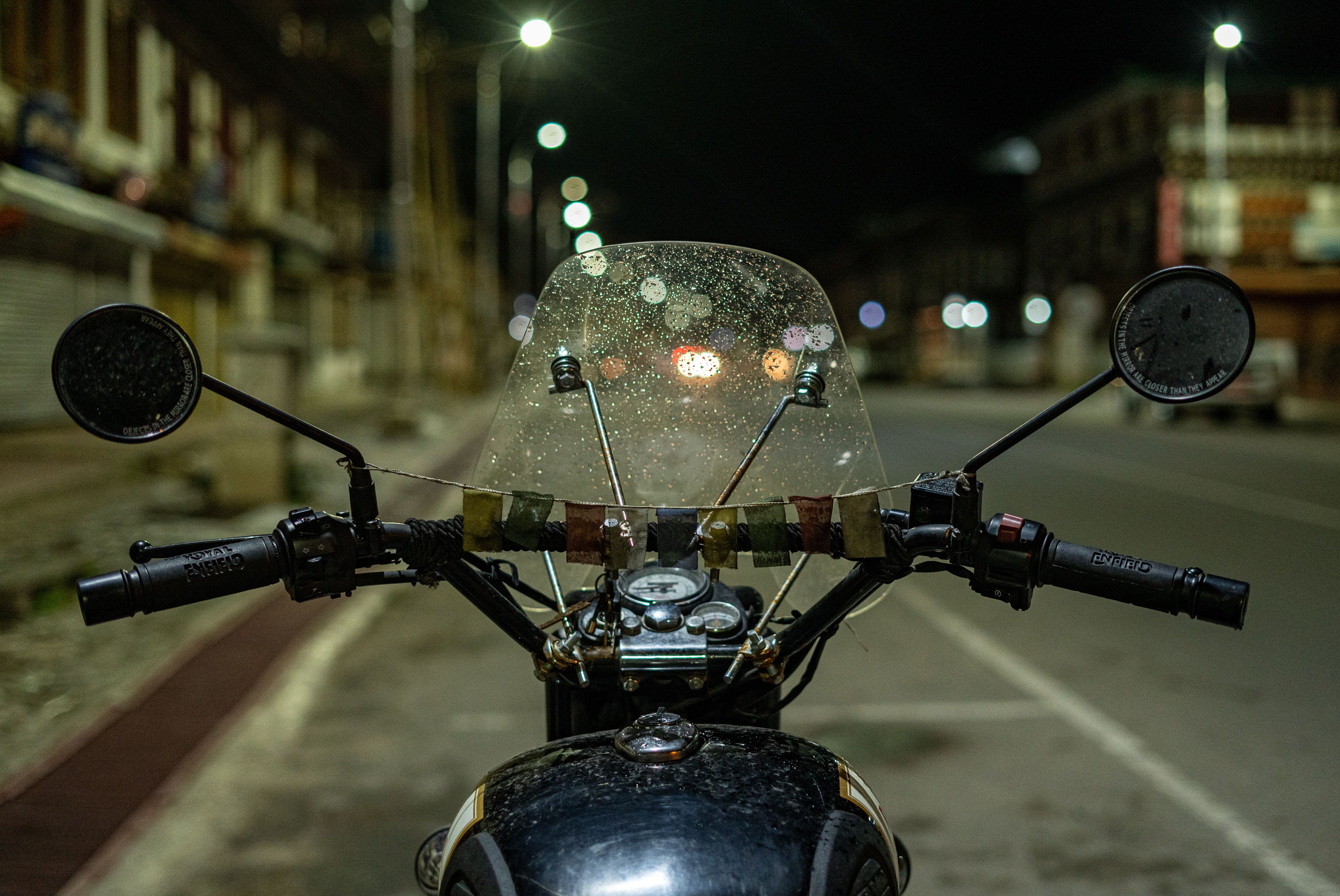
Nearly every choice flows from this one. Look-over riders keep the top edge below their sightline and see the road directly. Look-through riders want the screen two to three inches above the helmet for the quietest, best-protected ride.
I would pick look-over for a first windshield. A look-through screen puts plastic in your field of view, and that plastic fogs, scratches, and throws glare from oncoming headlights. The detail most guides skip: aim the top edge about one to two inches below your eye line, not at it. Sitting exactly at eye level parks your helmet in the turbulence.
How to measure a windshield for your own body
Four steps, ideally with a helper:
- Sit on the bike in your normal riding position, hands on the bars, feet down.
- Have your helper measure from the ground to the centre of your eyes.
- Measure from the top of the headlight to the top edge of your current screen, keeping the tape parallel to the fork rake.
- Subtract. If your eyes clear the edge by about two inches, you are looking over with room to spare. If they fall below it, you are looking through.
One catch: screens are sold by length along the surface, which overstates vertical coverage. A screen raked back 30 degrees has an effective height of roughly 86% of its listed length (the cosine of that angle), so a 16-inch screen rises only about 14 inches. Manufacturer charts assume an average rider, and there is no average rider. Motorcycle.com’s sizing guide is a reasonable starting point before you measure your own bike.
Polycarbonate or acrylic?
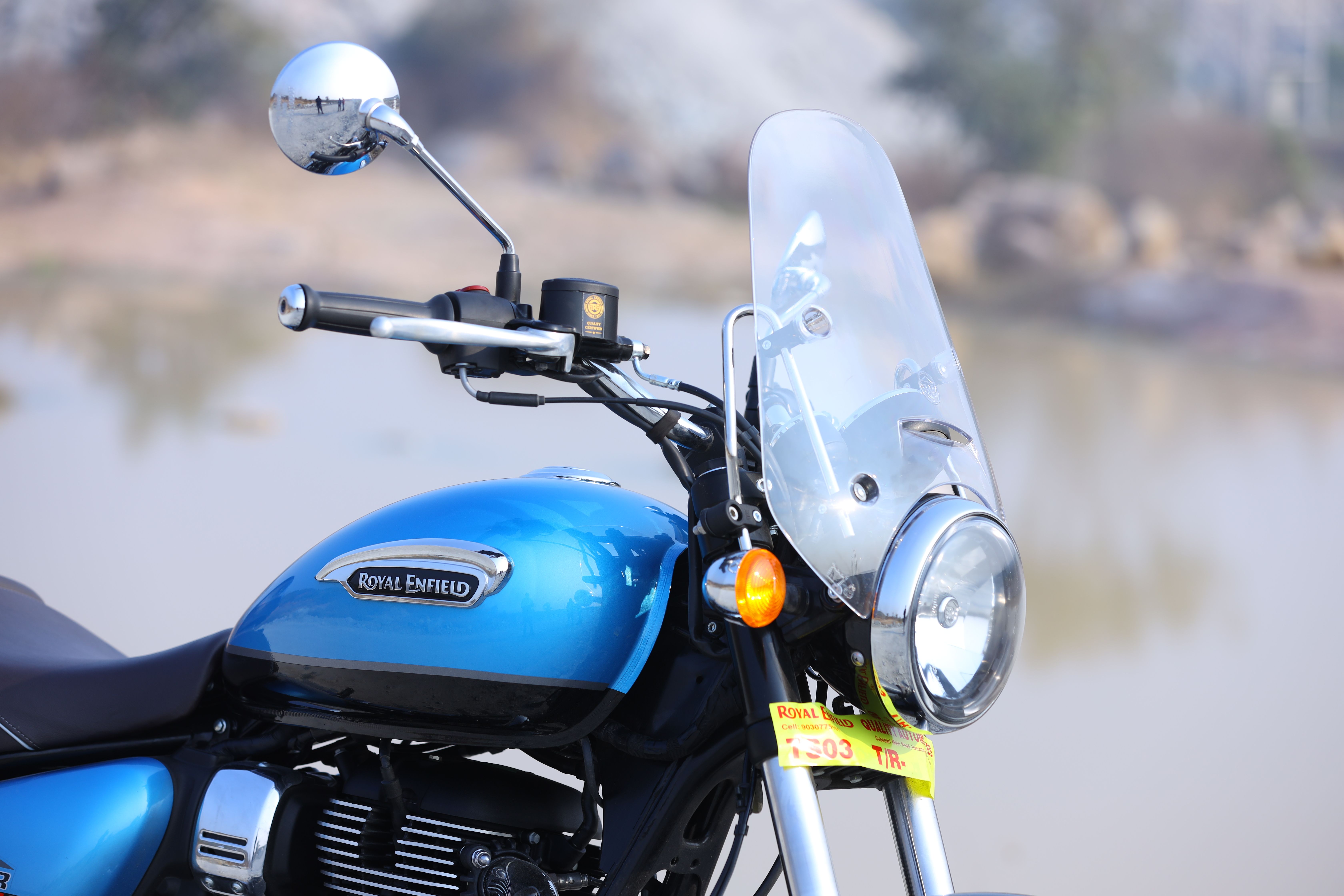
Two plastics dominate. Acrylic, sold as Plexiglas or Lucite, is clearer and cheaper and resists scratching well, but it cracks and shatters into sharp shards on impact. Polycarbonate, or Lexan, is the material of DOT-approved helmet visors and aircraft canopies: about 200 times stronger than glass, against roughly eight times for acrylic.
| Material | Impact vs glass | Surface hardness | Main compromise |
|---|---|---|---|
| Acrylic | ~8x | ~3H | shatters into sharp shards |
| Uncoated polycarbonate | ~200x | ~2H | scratches and hazes quickly |
| Hard-coated polycarbonate | ~200x | 4-6H | damaged coating cannot be polished |
Impact figures come from Motorcyclist’s materials explainer; hardness ratings from a 2025 windshield comparison, and coating performance varies by maker.
Plenty of experienced riders argue the other way: for touring, they say, acrylic’s clarity and scratch resistance outweigh polycarbonate’s toughness, and quoted hardness numbers flatter expensive coatings. That is a fair case for a fair-weather tourer who never meets gravel. My read is to buy hard-coated polycarbonate for anything involving rain, dirt, or debris, because impact resistance is the difference that can actually hurt you.
Buffeting: the problem a bigger screen makes worse
Cruise at 70 mph behind a tall screen and you may feel a rhythmic head-shake. It is not wind pressure; it is vortex shedding, air curling off the screen edge and striking the helmet at a frequency the head and neck amplify. The Minnesota tests recorded one strong pressure spike near 11 Hz.
The fix is rarely a taller screen. Try a laminar lip or spoiler on the top edge, add vents to equalise the low-pressure pocket behind the screen, or fit fork deflectors to stop air rushing up from the front wheel. Some adventure riders remove the screen entirely for town riding, because clean air can be calmer than dirty air.
Match the screen to the bike you ride
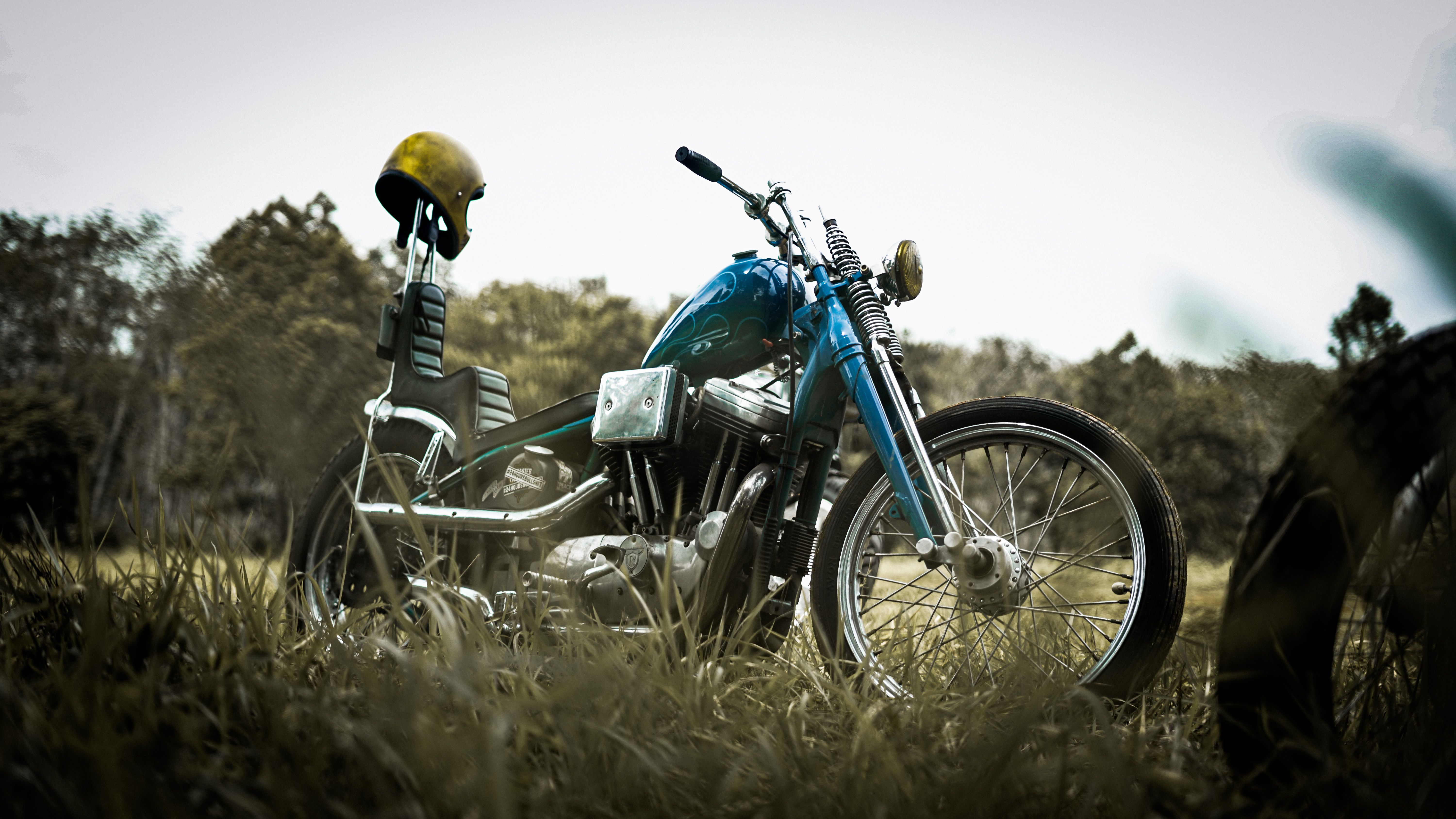
Choppers and cruisers rarely left the factory with windshields. If you are adding one, fork-mounted quick-release screens are the norm: measure from the headlight and keep it modest, so the front end does not catch crosswinds.
Touring bikes arrive sorted. Fairing-mounted screens are wider, often vented, sometimes electrically adjustable, and bigger genuinely is better here, up to the point where you look through it.
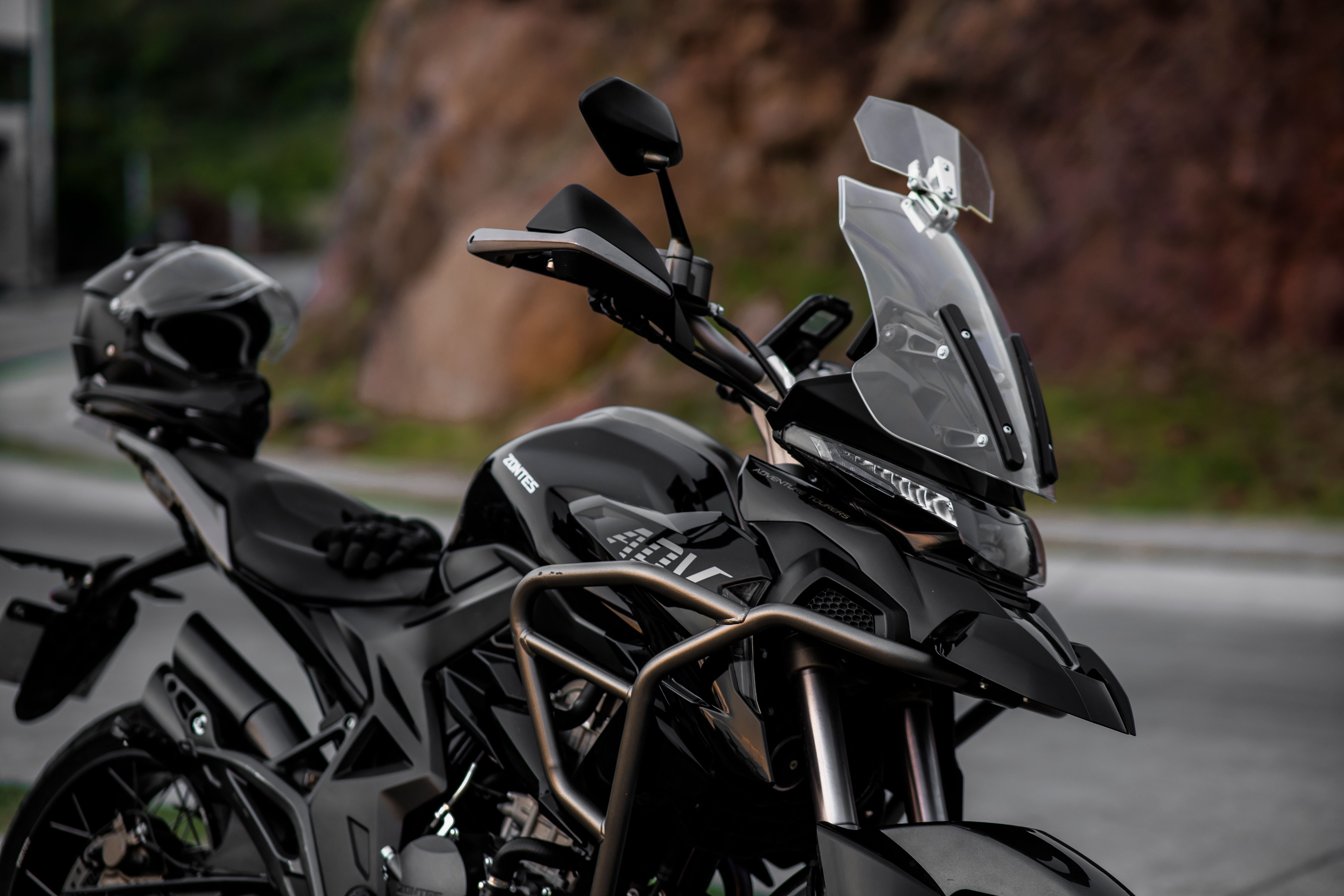
Adventure bikes are the awkward middle. Their tall, narrow factory screens are notorious for buffeting taller riders, and a shorter screen plus a deflector often cures what a taller one caused.
When you are buying, height is listed by make and model, so match the bike exactly. Specialist suppliers of motorcycle windshields list screens by bike, material, and measured height, which beats chasing the tallest option on the page.
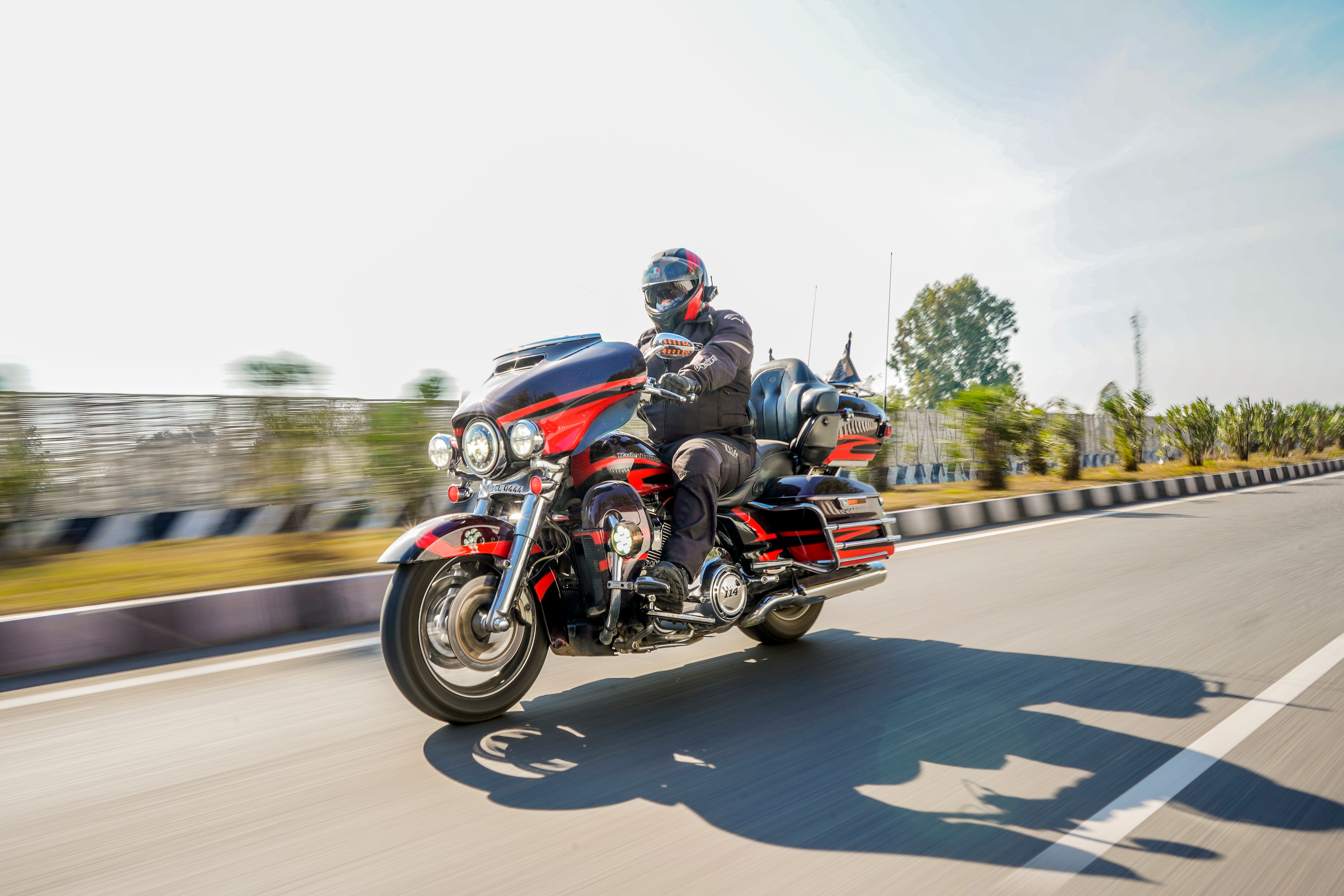
What I would try first
Before spending a few hundred on a new screen, spend far less on a clip-on deflector and move your existing screen through its full adjustment range. Test at your real cruising speed, not around the block. If one extreme works and the middle does not, you have learned more than any sizing chart will tell you.
Beginner windshield questions, answered
What height windshield should a beginner buy? Start with a look-over screen whose top edge sits one to two inches below your eye line.
Is a taller windshield always better? No. A too-tall screen builds a low-pressure pocket behind it and can buffet worse than a shorter one.
Do windshields protect you in a crash? No. They are wind protection, not collision protection; makers say so plainly.
Can I fit a windshield to a chopper? Yes. Fork-mounted quick-release screens suit most cruisers; measure from the top of the headlight.
Why does my head shake at highway speed? Usually vortex shedding reaching helmet height. Move the top edge out of your sightline or add a spoiler.
How this article was put together. It draws on published sizing advice from the motorcycle press and windshield makers, a University of Minnesota wind-tunnel study on rider buffeting, and material specifications from an industry explainer. Sizing rules are a starting point for measuring your own bike, not a substitute for it. Figures were checked in September 2026.