
Table of Contents
Timeless interiors are not built from trends. They come from decisions that hold up under daily use and still make sense years later. When you focus on architectural details, you are shaping the parts of a space that are hardest to change. That is why these choices matter more than furniture or styling.
A timeless interior works because it balances function, proportion, and material. It does not rely on decoration to feel complete. Instead, it uses structure to carry the design. When details are chosen carefully, the space can evolve without needing a full redesign.
This guide breaks down how to make those decisions in a practical way, so you can build something that lasts.
Start With What the Space Needs
Before choosing any detail, look at how the space is used. This sounds obvious, but it is often skipped. Architectural elements should support movement, light, and daily routines.
If a hallway is narrow, heavy trim will make it feel tighter. If a room gets strong sunlight, reflective materials may become uncomfortable. These are not style choices. They are functional decisions.
Timeless design comes from clarity. It avoids adding elements that do not improve how a space works.
Think in simple terms:
- Where do people walk?
- What do they touch often?
- What needs to last with minimal maintenance?
When you answer these, details become easier to choose. You are not guessing. You are responding to real use.
Doors and Transitions Set the Standard
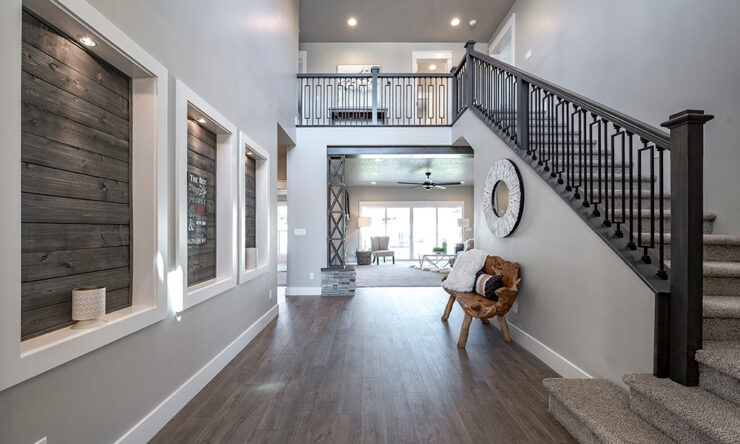
Doors are often treated as background elements, but they define how spaces connect. Their proportions, materials, and finish affect how the entire interior feels.
If you are considering upgrades, look at luxury interior doors from AR Studio designers. These examples show how consistent proportions, solid materials, and precise detailing create a calm, structured look without relying on decoration.
Door height, frame thickness, and hardware should relate to the rest of the architecture.
A poorly chosen door stands out immediately. A well-chosen one disappears into the structure while still feeling solid and intentional.
Work With Materials That Age Well
Materials decide whether a space improves or declines over time. Some finishes wear out quickly. Others develop surface changes that still look acceptable.
Natural materials are used repeatedly in long-lasting interiors for a reason. Stone, wood, and plaster maintain their structure and adapt visually as they age.
Here is a simple way to evaluate materials:
|
Material Type |
Long-Term Behavior |
Maintenance Level |
| Solid wood | Develops surface wear but remains stable | Medium |
| Natural stone | Holds structure, surface may soften visually | Low |
| Painted MDF | Chips and shows wear quickly | High |
| Laminates | Can peel or discolor over time | Medium to high |
Choose materials that do not require constant correction. You want surfaces that tolerate use without needing replacement.
After selecting materials, keep finishes consistent across the space. This avoids visual noise and supports continuity.
Keep Profiles and Detailing Controlled
Architectural details like moldings, trims, and panels shape the character of a room. The mistake is not using them. The mistake is using too many styles at once.
Simple profiles tend to last longer because they do not depend on a specific era. Clean lines and restrained detailing allow the structure to stay relevant even as other elements change.
A detail should either solve a problem or define an edge clearly. If it does neither, it is unnecessary.
Consider how trim is used:
- Around doors and windows
- At floor transitions
- Along ceilings
Each of these should feel related. Mixing multiple decorative profiles often creates tension instead of clarity.
If in doubt, reduce the number of variations rather than adding more.
Use Proportion as Your Main Guide
Proportion is the part most people notice without realizing it. It determines whether a space feels balanced or slightly off.
Timeless interiors rely on consistent relationships between elements. This includes:
- Door height relative to ceiling height
- Thickness of trim compared to wall scale
- Size of panels or divisions in cabinetry
Balanced proportions are a core principle of enduring architecture.
Instead of copying dimensions from another project, measure your own space. Adjust details so they relate to the room’s scale.
This is slower than choosing from a catalog, but it prevents the interior from feeling generic.
Respect the Context of the Building
Every space has constraints. These come from the building’s structure, location, and original design.
Timeless interiors do not ignore these factors. They work with them.
For example:
- Older buildings often suit deeper trims and solid materials
- New builds may benefit from simpler profiles and lighter detailing
- Regional materials often perform better over time
Timeless design reflects its setting rather than forcing a disconnected style.
This does not mean copying historical details exactly. It means understanding what belongs and adapting it carefully.
Let the Interior Evolve Over Time
A well-designed interior does not need constant updates. It should allow small changes without affecting the whole.
Architectural details form the base. Furniture, lighting, and textiles can change around them.
This is why restraint matters. If the structure is too specific, every change becomes difficult.
Timeless interiors stay relevant because they are flexible. They support different uses and styles without losing coherence.
Think of the architecture as a framework. It should hold the space together without limiting how it is used.
Final Thoughts
Choosing architectural details is not about creating a specific look. It is about making decisions that continue to work over time.
Focus on function first. Use materials that age without failing. Keep detailing consistent and controlled. Pay attention to proportion. Reduce unnecessary elements.
When these principles guide the process, the result feels stable and usable. It does not rely on trends to stay relevant.
That is what makes an interior last.