
Table of Contents
Have you ever tested your pool water and everything looked “fine,” yet the water felt dull, smelled odd, or turned cloudy within a day? That disconnect is more common than most pool owners realize.
Chlorine does not just disappear. It gets used up fighting contaminants. Sweat, sunscreen, rain runoff, pollen, and microscopic algae constantly compete for sanitizer attention. When that demand overwhelms normal dosing, water quality drops fast.
A high-strength chlorine treatment exists specifically to reset sanitation when routine maintenance can no longer keep up.
Knowing when that reset is actually needed and how much product to apply makes the difference between clean, comfortable water and an endless cycle of chemical corrections.
What Pool Shock Treatment Actually Does
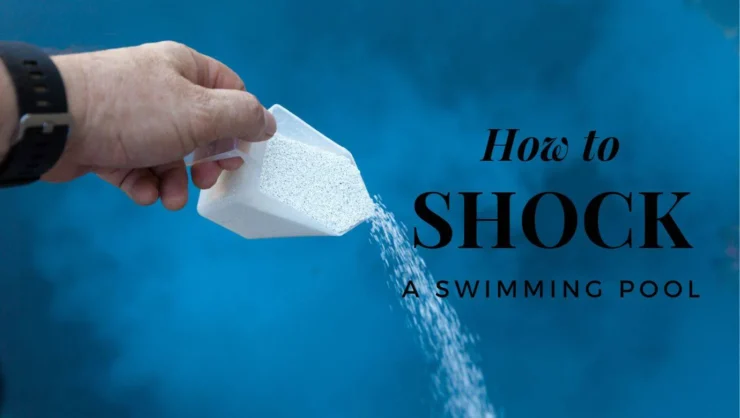
This treatment is designed to oxidize contaminants that standard chlorine levels cannot handle efficiently. It targets chloramines, organic waste, and early biological growth before problems become visible. When chlorine binds to contaminants, it loses sanitizing power even if test results still show measurable levels. That is why water can smell strong yet remain unsafe.
A concentrated chlorine dose breaks those bonds and restores free chlorine effectiveness. It also disrupts algae spores before they anchor to surfaces. This process improves clarity, reduces odor, and stabilizes sanitizer performance for days afterward.
This type of treatment helps by:
- Breaking down combined chlorine compounds
- Eliminating organic debris at a molecular level
- Restoring proper sanitizer efficiency
- Preventing early-stage algae development
Used correctly, it acts as a system reset rather than routine maintenance.
Clear Signs Your Pool Needs A Chlorine Boost
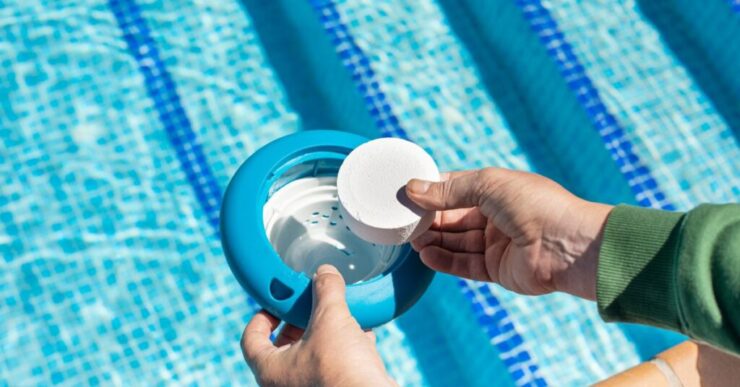
Applying high-dose chlorine without cause often leads to wasted chemicals and surface stress. The best results come from responding to specific water conditions rather than sticking to a calendar. Several indicators suggest your pool has reached a point where routine dosing is no longer enough.
Cloudy water that does not clear with filtration is a strong signal. A sharp chlorine smell usually means chloramines are present, not excess sanitizer. Sudden sanitizer loss after heatwaves or storms is another red flag. Heavy swimmer use introduces oils, sweat, and cosmetics that overwhelm normal levels.
If testing shows combined chlorine above 0.5 ppm, oxidation treatment becomes necessary. For pool owners who prefer expert input, Dolphin Pool service often helps diagnose these situations and recommend corrective steps before problems escalate.
Different Treatment Types And How To Choose Wisely
Not all high-strength chlorine products behave the same way. Choosing the wrong option can solve one problem while quietly creating another. Understanding how each type interacts with water chemistry helps avoid long-term balance issues.
| Product Type | Strength | Best Use | Key Consideration |
| Calcium hypochlorite | High | Algae and heavy contamination | Raises calcium levels |
| Sodium dichlor | Medium | Regular oxidation | Adds stabilizer |
| Potassium monopersulfate | Non-chlorine | Chloramine removal | Does not sanitize |
Calcium-based options act quickly but can raise hardness over time. Dichlor is gentler but increases cyanuric acid. Non-chlorine oxidizers improve odor but cannot kill algae. Matching product type to the problem keeps chemistry stable.
How Much Treatment To Use Based On Pool Size
Correct dosing is essential. Underapplication leaves contaminants behind, while excessive amounts can damage liners, fade finishes, and delay safe swimming. Always calculate dosage using actual water volume rather than estimates.
The table below reflects general guidelines for calcium hypochlorite products at 65 percent concentration.
| Pool Volume | Recommended Amount |
| 10,000 gallons | 1 pound |
| 20,000 gallons | 2 pounds |
| 30,000 gallons | 3 pounds |
For visible algae or high combined chlorine, increasing the amount may be necessary. Granular products should be dissolved in water before application unless instructions state otherwise. Liquid options should be poured slowly in front of return jets for even distribution.
Proper Application Steps For Best Results
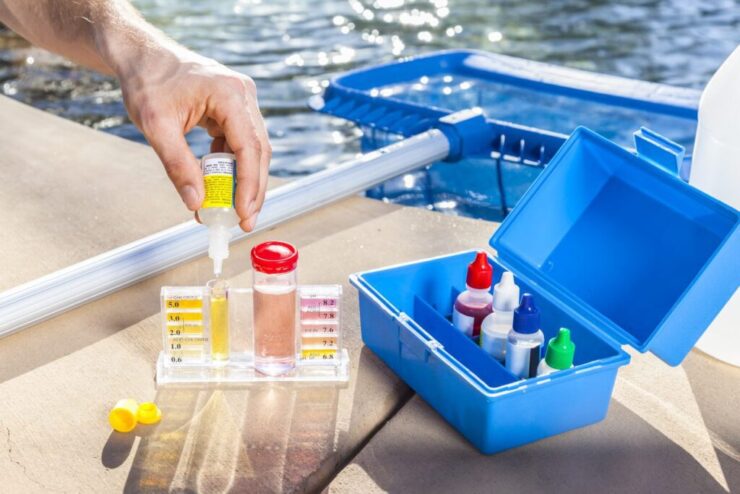
Effectiveness depends heavily on how the treatment is applied. Skipping steps or rushing the process often reduces results and creates new imbalances. Preparation is just as important as dosage.
Start by testing and adjusting pH to around 7.2–7.4. Chlorine performs best in this range. Application should occur in the evening, when sunlight will not degrade sanitizer strength. Continuous circulation ensures even chemical dispersion.
Recommended process includes:
- Adjust pH before treatment
- Apply product slowly and evenly
- Brush walls and floor to expose algae
- Run filtration for at least 8 hours
- Retest water before allowing swimming
Patience during circulation protects both swimmers and surfaces.
Mistakes That Reduce Effectiveness
Many water issues stem from misuse rather than lack of treatment. One common mistake is adding chemicals without testing. Guessing often pushes water chemistry further out of balance. Another error is daytime application, which allows UV rays to neutralize chlorine prematurely.
Failing to brush pool surfaces limits oxidation efficiency, since algae forms protective layers. Overuse of stabilized products can also trap pools in a cycle where sanitizer becomes less effective over time.
Combined chlorine cannot be filtered out. Oxidation is the only way to remove it from pool water.
Avoiding these pitfalls keeps corrective treatments effective instead of reactive.
How Often Pools Typically Need Oxidation Treatment
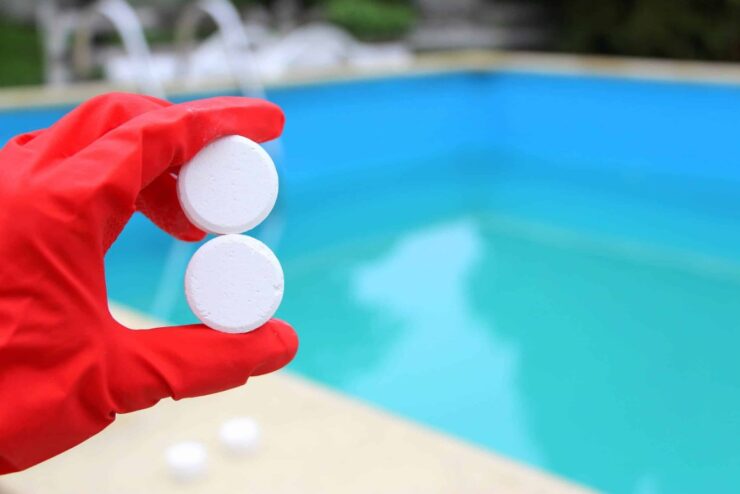
There is no universal schedule that applies to every pool. Climate, swimmer load, debris exposure, and sanitizer system all influence frequency. During peak summer conditions, many residential pools benefit from treatment every one to two weeks. Light-use pools may require far less intervention.
Regular testing provides the clearest guidance. If combined chlorine remains low and water stays clear, additional treatment may not be necessary. After storms, parties, or extreme heat, it often is.
Saltwater pools also require periodic oxidation, even with generators. These systems maintain baseline sanitation but still benefit from occasional resets after high demand.
Closing Thoughts On Balanced Pool Care
High-dose chlorine treatments work best when used with intention, not habit. They are tools for restoring control when water chemistry drifts beyond the reach of routine maintenance. Timing, dosage, and product selection matter far more than frequency.
Testing before and after application keeps adjustments predictable. Choosing the correct product prevents buildup problems that surface weeks later. Allowing proper circulation time protects swimmers and finishes alike.
When used thoughtfully, this treatment restores clarity, eliminates odor, and stabilizes sanitation without unnecessary chemical stress. Pool care becomes simpler when each adjustment has a clear purpose and a measured response.