
Table of Contents
The best German cities for solo travel in 2026 are Berlin, Munich, Hamburg, Cologne, Heidelberg, Nuremberg, Dresden, and Leipzig. Berlin has the deepest museum, food, and nightlife range. Munich is the easiest first solo trip because planning feels simple and the center feels polished.
Hamburg suits travelers who like waterfront walks and music. Cologne is strong for a short, social break. Heidelberg, Nuremberg, Dresden, and Leipzig feel more manageable and often cost less than the largest hubs.
Germany also works well without a car. Deutsche Bahn says ICE, IC, and EC trains serve more than 300 German stations every day, while the €63 per month Deutschland-Ticket covers local and regional transport, not ICE, IC, or EC services.
For safety context, Germany’s Police Crime Statistics 2025 reported fewer recorded crimes than in 2024, although unreported incidents are not counted.
Best German Cities For Solo Travel At A Glance
Solo travelers should compare German cities by station area, late-night transport, lodging prices, walkability, and attraction density. The table below gives a fast planning view.
|
City |
Best For | Solo Safety Feel | Transport | Cost Level |
Main Attractions |
|
Berlin |
Museums, history, nightlife | Medium | Excellent | Medium |
Museum Island, Berlin Wall sites, Kreuzberg |
|
Munich |
First solo trip, day trips | High | Excellent | High |
Old Town, Englischer Garten, Alps access |
|
Hamburg |
Waterfront, music, food | Medium | Excellent | Medium-high |
Speicherstadt, harbor, Elbphilharmonie |
|
Cologne |
Short stays, social travel | Medium | Strong | Medium |
Cologne Cathedral, Rhine promenade, museums |
|
Leipzig |
Lower-cost culture trip | Medium-high | Good | Lower |
Spinnerei, music history, cafés |
Berlin: Best For Culture, Nightlife, And Flexible Solo Days
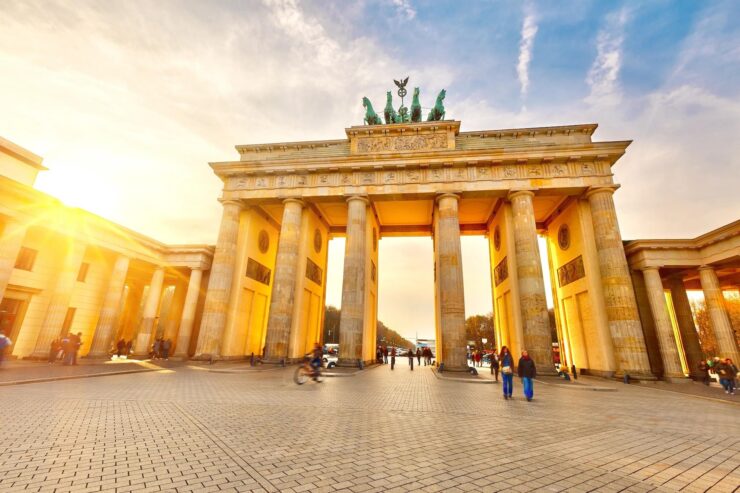
Berlin is the best German city for solo travelers who want maximum choice. A strong day can move from the Reichstag area to Museum Island, then into galleries, casual food, or live music without needing a rigid plan.
Berlin remains Germany’s largest urban tourism draw. Visit Berlin reported 29.4 million overnight stays by 12.4 million guests in 2025, with international visitors accounting for 41% of guests. Big visitor numbers bring energy, but also crowded trains and busy station zones.
Good solo bases include Mitte, Prenzlauer Berg, Charlottenburg, Friedrichshain, Kreuzberg, and Schöneberg. UNESCO-listed Museum Island, the Berlin Wall Memorial, East Side Gallery, Tempelhofer Feld, and Tiergarten can fill several days without repeating the same style of attraction.
Munich: Best For A Safe, Polished First Solo Trip
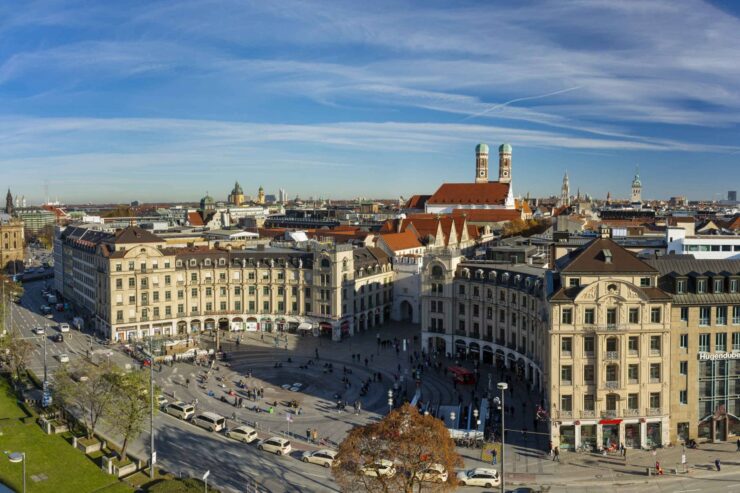
Munich is the easiest German city for a first solo trip if budget is not the main concern. The center is orderly, transport is simple, and many headline sights sit close together.
A first day can cover Marienplatz, Viktualienmarkt, the Residenz, and the museum quarter without complicated transfers. For a quieter break, the official tourism board says the Englischer Garten covers 375 hectares, making it one of the world’s largest inner-city parks.
Munich also works as a rail base for Nuremberg, Salzburg, Füssen, Regensburg, and alpine lake towns. Costs are the drawback. Hotel rates can jump during Oktoberfest, trade fairs, and football weekends.
Solo travelers who plan to explore Munich’s nightlife should check München escort, use licensed venues, avoid unverified private offers, and keep late-night transport planned before going out.
Hamburg: Best For Waterfront Walks And Urban Atmosphere
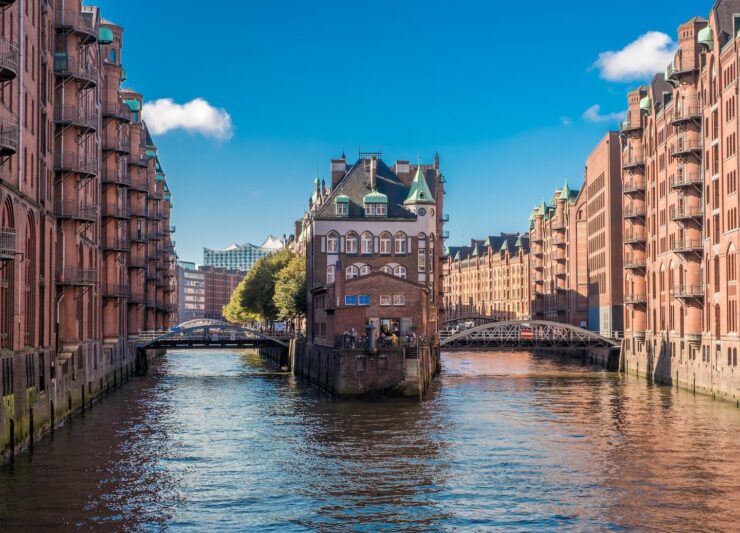
Hamburg is ideal for solo travelers who like water, architecture, music, and neighborhoods with a clear local identity. The harbor, Alster lakes, and canal districts offer low-pressure solo days.
The city reported 16.5 million overnight stays in 2025, a 2.1% rise from the previous year, according to Hamburg’s 2026 tourism update. Visitor demand means waterfront hotels can price high near HafenCity, the Elbe, and the Alster.
Speicherstadt is the essential stop. The Speicherstadt and Kontorhaus District with Chilehaus is a UNESCO World Heritage site, with historic warehouse blocks, canals, bridges, and brick architecture. The Hamburg CARD includes travel on buses, trains, and harbor ferries in the HVV area AB, plus tourist discounts.
Cologne: Best For Short Solo Trips And Social Energy
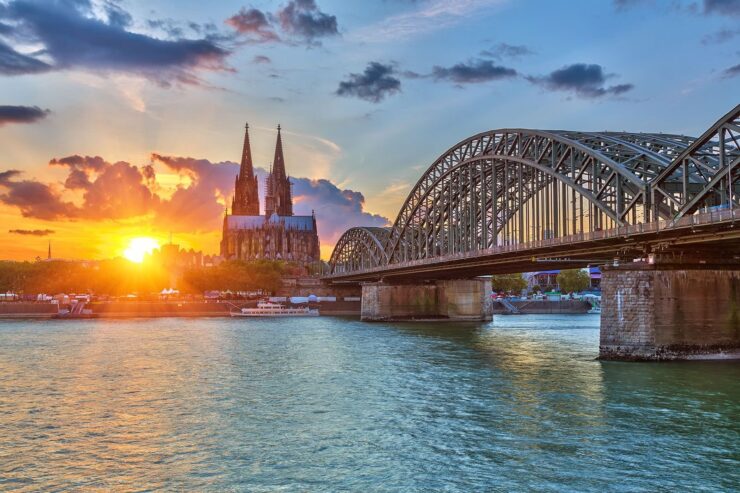
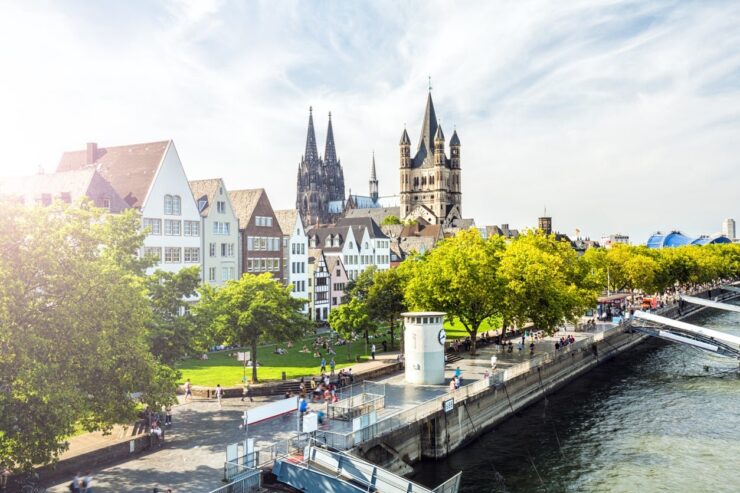
Cologne is a good solo city for 2 or 3 days because the main rail station, cathedral, Rhine promenade, museums, and old town sit close together. It feels less sprawling than Berlin and less formal than Munich.
Cologne Cathedral is the main landmark. UNESCO describes it as a High Gothic basilica with a tower façade reaching 157.22 meters. Location matters for solo arrivals: the cathedral stands beside Köln Hauptbahnhof, so the first orientation point is immediate.
One 2026 budget note matters. AP reported that Cologne Cathedral would introduce an admission fee later in 2026 for tourists, while prayer and worship would remain free. Exact visitor costs may change, so check cathedral rules near the travel date.
Smaller German Cities That Work Well Alone
Smaller German cities can be better than big hubs for easier walking distances and less decision fatigue. Heidelberg is best for castle views, old-town cafés, the Old Bridge, and Philosopher’s Walk. Nuremberg is stronger for medieval streets, the Imperial Castle, documentation-center history, and Christmas market season.
Dresden suits architecture, museums, the Frauenkirche, Zwinger, and Elbe-side walks. Leipzig is the best lower-cost culture pick, especially for music history, independent cafés, parks, and creative districts.
Transport Costs And Ticket Choices In 2026
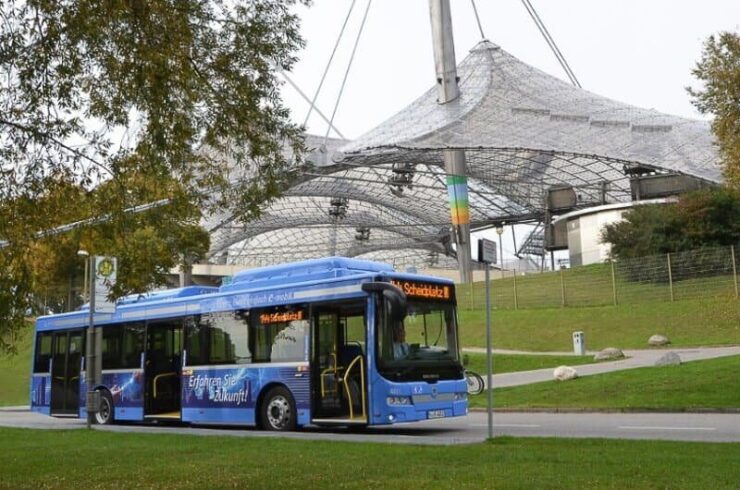
The best ticket choice depends on trip length. For frequent local and regional travel, the Deutschland-Ticket is often the best value. For 1 city and 2 or 3 days, city day tickets may be simpler than a monthly subscription.
Berlin’s 2026 public transport fares list a single AB ticket from €4 and a 24-hour AB ticket at €11.20. In Hamburg, HVV lists a short journey from €2.10 and a local Hamburg AB journey from €3.50.
A good solo rule: book ICE or IC train legs early for long-distance travel, then use local day tickets or the Deutschland-Ticket inside cities and for regional day trips. Avoid using the Deutschland-Ticket for any route that depends on ICE speed.
Expected Solo Travel Costs In 2026
Exact daily costs change with season, hotel demand, football matches, concerts, and trade fairs. Treat the ranges below as planning bands for accommodation, food, local transport, and paid attractions.
|
City Type |
Budget Solo Day | Comfortable Solo Day |
Cost Notes |
|
Berlin |
€85 to €145 | €150 to €230 |
Good hostel supply, paid museums add up |
|
Munich |
€110 to €190 | €180 to €300 |
Oktoberfest and trade fairs raise hotel rates |
|
Hamburg |
€95 to €165 | €160 to €260 |
Waterfront hotels raise totals |
|
Cologne |
€85 to €150 | €145 to €230 |
Good value for short breaks |
|
Leipzig or Dresden |
€75 to €130 | €120 to €200 |
Strong value for culture trips |
Safety Tips For Solo Travel In German Cities
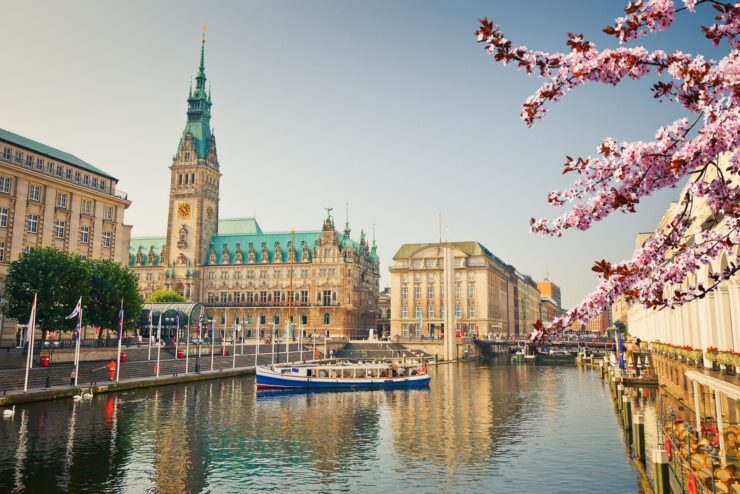
Solo travel in German cities is usually manageable, but good habits matter most around central stations, crowded trains, nightlife zones, and large events. Police-recorded crime data can show broad trends, yet it cannot tell you how one station exit will feel at midnight.
- Book lodging within a short walk of rail, tram, U-Bahn, or S-Bahn stops.
- Keep passport, spare card, and main wallet in separate places.
- Check the final train, tram, or night-bus route before going out.
- Read recent hotel reviews for comments about noise, station surroundings, and night access.
Which German City Should Solo Travelers Choose?
Choose Munich for the easiest first solo trip, Berlin for the widest culture and nightlife range, Hamburg for waterfront atmosphere, Cologne for a quick social break, Leipzig for value, Heidelberg for scenery, Nuremberg for history, and Dresden for architecture.
For a 2026 first-time solo route, Berlin, Leipzig or Dresden, Nuremberg, and Munich make the strongest sequence. The rail links are logical, the city sizes vary, and the route gives enough contrast without forcing constant long transfers.