
Table of Contents
Have you ever wondered how tiny house living actually works day to day when it comes to utilities?
People often picture cozy wood interiors, clever storage, and aesthetic minimalism, but the practical question always appears sooner or later: how do you handle power, water, sewage, and heating in such a small footprint?
The interesting part is that many tiny homes function almost exactly like regular houses when they use standard city hookups.
Instead of reinventing the wheel, the smart approach is learning how to safely, legally, and efficiently connect to municipal systems so life feels simple and predictable.
Understanding What “City Hookups” Really Mean
Before planning layouts or fancy finishes, it helps to understand what connecting to city utilities actually involves.
City hookups typically refer to tying your tiny home into local municipal systems for water, sewer, and electricity in the same way an RV park or small cottage would connect.
This is often done through permitted utility access on private land or through an approved residential space that allows a tiny dwelling.
It is not simply plugging a hose and cable and hoping it works. It is a structured, code-aware process designed to make tiny house living comfortable and compliant with local rules.
City hookups means legally connecting a residence to an authorized municipal utility infrastructure rather than relying only on off-grid systems.
Many people explore city hookups when they are serious about making a tiny home a long-term living solution, not just a romantic idea.
This is also where real options open up regarding buying instead of just dreaming.
If you are actively searching for reliable builds, browsing tiny homes for sale can be incredibly helpful.
Seeing real floor plans, realistic utility systems, and professionally designed models makes planning much clearer. When you understand how utilities are meant to connect, your buying or building decisions instantly become smarter, safer, and easier to execute.
Power Supply: Plugging a Tiny Home into the Grid
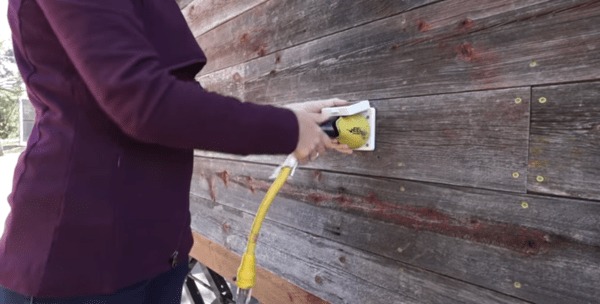
Connecting electricity to a tiny home using city hookups feels surprisingly familiar if you have ever dealt with RV hookups or small residential power access.
Most tiny houses connect through a subpanel or approved RV-style plug depending on local regulations.
This allows standard appliance use, normal lighting, and reliable day-to-day living comfort.
The key lies in understanding your load needs before installation to avoid tripped breakers, unsafe improvisations, or undersized wiring solutions.
A typical setup involves:
- A dedicated breaker or electrical pedestal connection
- A properly installed power inlet on the tiny house
- Grounding and weather-proofing for safety
- Respecting local electrical codes and permitting
When installed correctly, powering a tiny house becomes stable and worry-free.
Water Connections: Making Everyday Living Feel Normal
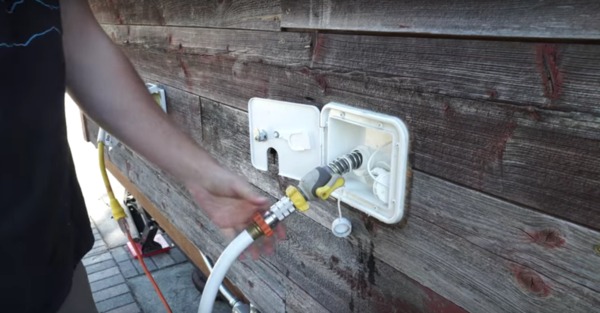
City water hookups give tiny living that “real house” feeling many people want. Instead of hauling water or relying only on tanks, a municipal connection means steady pressure, consistent temperature control, and simple daily routines.
Hookups often resemble outdoor hose connections but must be done with approved piping, frost-proof fixtures where needed, and sometimes backflow prevention depending on local rules.
Once connected, showers, dishwashing, and laundry feel surprisingly ordinary, which is exactly what most long-term tiny homeowners appreciate.
| Component | Purpose |
| Water Inlet | Connects home to city water supply |
| Pressure Regulator | Prevents pipe damage |
| Shutoff Valve | Allows maintenance and safety |
| Insulation | Protects lines in colder climates |
After installing these correctly, the system behaves just like a traditional home supply.
Sewer and Wastewater: The Most Important Topic Nobody Likes Talking About
Nothing affects long-term comfort like wastewater management. With city hookups, tiny homes can connect to municipal sewer lines or approved septic systems just like small houses or RV pads.
This is usually done through a standard 3-inch or 4-inch sewer connection using durable piping secured against leaks and shifting.
It requires correct slope, approved connectors, and compliance with sanitation regulations. Once installed correctly, it becomes an invisible background system that simply works.
Key considerations:
- Proper permits
- Secure and sealed connections
- Reliable slope for drainage
- Understanding maintenance responsibilities
Good planning prevents unpleasant surprises.
Heating, Cooling, and Hot Water with City Hookups
When you have stable electricity and water, climate control becomes far more convenient. Many tiny homes use mini-split systems, electric heaters, or sometimes small gas systems depending on region and preference.
With continuous power, you do not have to constantly chase off-grid fuel sources or battery recharging schedules.
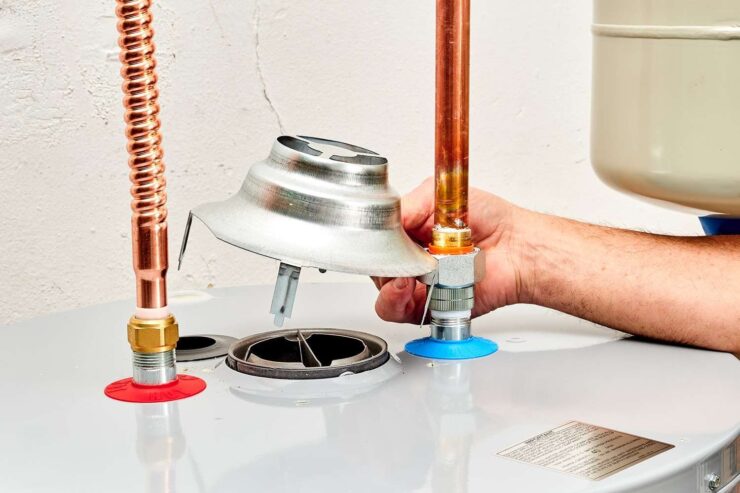
Hot water typically comes from compact tank or tankless heaters that integrate smoothly into standard hookups.
The goal is not luxury excess but reliable comfort that does not feel like rough camping.
Did You Know?
Tankless water heaters are extremely popular in tiny homes because they save space while providing continuous hot water without large storage tanks.
Permits, Zoning, and Legal Considerations You Should Never Ignore
Even if the technical setup is simple, legal acceptance is what makes the lifestyle sustainable.
Different locations have different rules about connecting tiny homes to city utilities. Some treat them as RVs.
Others classify them as accessory dwelling units. Some municipalities welcome them, while others are still adjusting regulations.
The smartest approach is to research local zoning rules early, talk to utility providers, and ensure your installation remains legal long term. Proper paperwork avoids fines, disconnection, or forced relocation later.
Balancing Tiny House Freedom with Practical Reliability
One of the hidden strengths of city hookups is balance. Tiny living often appeals because it feels light, intentional, and thoughtful.
But reliable utilities mean you can enjoy that lifestyle without turning every shower, every meal, or every winter night into a project.
City hookups bring stability while the home itself delivers simplicity. It is not about giving up independence. It is about choosing a practical path that supports real everyday living.
Final Thoughts
Setting up tiny house utilities using standard city hookups is not only doable, it is often the most comfortable, legal, and sustainable way to live small without constant compromise.
With correct planning, proper installation, and respect for local regulations, a tiny home can function with the same reliability as a traditional house while still offering the charm, efficiency, and intentional lifestyle that make tiny living appealing in the first place.
Frequently Asked Questions
Can a tiny house stay permanently connected to city utilities?
Yes, if local zoning laws allow permanent placement, a tiny house can remain continuously connected just like any small residential structure. Permits and inspections usually apply.
Do city hookups make a tiny house feel less “tiny living”?
Not really. City hookups simply remove stress around water, sewage, and power. The lifestyle, space efficiency, and minimal living mindset remain the same.
Are city utility hookups expensive to install?
Costs vary widely depending on location, distance to utility access, and permitting requirements. However, once connected, ongoing utility costs are often lower because tiny homes consume less overall.
Can you still add backup systems if you use city hookups?
Absolutely. Many tiny homeowners combine city hookups with backup generators, water tanks, or solar systems for flexibility and peace of mind.