
Table of Contents
If you drive in London or anywhere across South East England long enough, rust eventually becomes part of the conversation—usually at the exact moment a mechanic lifts your car and shows you a flaky wheel arch or a crusty sill you didn’t even know was hiding under the dirt.
The truth is simple: the best place to get rust protection isn’t necessarily the biggest garage or the one closest to you. It’s the workshop that actually understands how fast corrosion creeps in the UK climate, how mixed our road conditions are, and how important proper prep work is before any underseal goes on.
Why Rust Protection Matters More in London and the South East
People sometimes assume rust is a “Northern problem” because of winter grit, but London and the South East have two issues that actually accelerate corrosion:
- High moisture levels — coastal air that carries salt even miles inland
- Stop-start traffic — the underside stays damp for longer because short commutes rarely heat the car enough to dry out trapped moisture
On top of that, older estates in places like Croydon, Bromley, Hounslow, and Reading often have cars parked outside year-round. Combine endless drizzle, morning dew, and exhaust condensation, and you have a slow but steady rust recipe.
How Moisture Levels Compare
| Region | Average Annual Rainfall | Coastal Influence | Rust Risk Level |
| London | 600–700 mm | Medium | Moderate to High |
| Kent / Sussex | 750–800 mm | High | High |
| Surrey / Berkshire | 700–750 mm | Medium | Moderate |
| North England | 900–1000+ mm | Lower | Moderate |
The numbers show something counterintuitive: parts of the South East get more moisture than London itself, and the coastal factor makes the salt exposure worse. This is why drivers in Brighton, Worthing, Eastbourne, and Folkestone often discover chassis rust earlier than expected.
What a Proper Rust Underseal Service Should Include
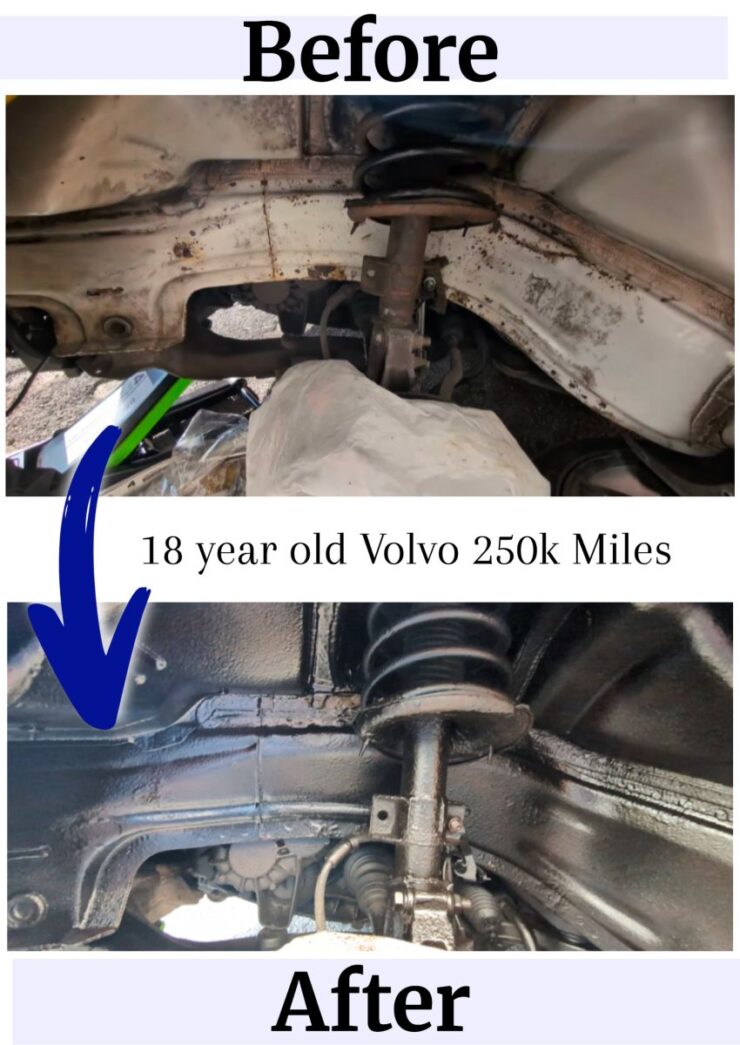
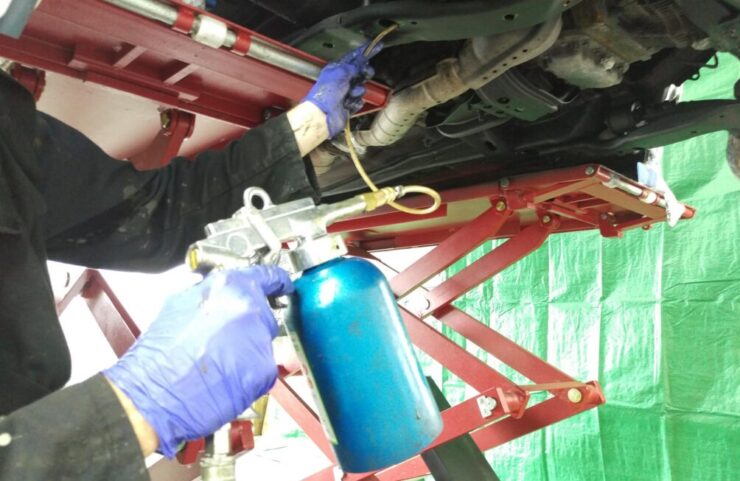
This is the part many garages rush through. Real underseal isn’t just spraying a black goo under the car. It includes:
The Essential Steps
- Full inspection of the chassis, wheel arches, floor pans, subframes, brakes, and fuel lines
- Mechanical cleaning (wire brushing or sanding) to remove loose rust
- Rust converter treatment for active corrosion
- Priming the surface
- Applying the underseal in thin, controlled layers
- Drying time and final quality check
If any step is skipped, the protection won’t last. In the South East, where weather cycles swing frequently between moist and cold, a rushed job might look fine for six months but crack and peel after the first winter.
Places in London Known for Solid Rust-Proofing Work
Below is a list of well-known areas and workshops where drivers typically get rust protection done. Some are traditional garages, others are mobile services offering higher convenience.
1. Mobile Rust Doctor (London + South East)
This is one of the most reliable and accessible options in 2025. Instead of requiring you to book days in advance and drive across town, the specialist arrives at your address and performs the entire procedure on-site. This is particularly useful in dense London boroughs where garages are far or fully booked for weeks.
Why it stands out:
- Mobile service across London, Surrey, Kent, Sussex, Essex, Berkshire
- Professional rust removal, conversion, and sealing
- Uses high-grade coatings designed for UK road salt
- Ideal for older cars, daily drivers, and classic vehicles
Coverage Table
| Area | Mobile Service Available | Typical Travel Fee | Notes |
| Greater London | Yes | £0–£20 | Depends on the borough |
| Surrey | Yes | £10–£30 | Guildford, Woking, Dorking |
| Kent | Yes | £10–£30 | Maidstone, Canterbury, Tonbridge |
| Sussex | Yes | £20–£40 | Brighton, Worthing, Crawley |
| Berkshire | Yes | £20–£40 | Reading, Slough, Bracknell |
For anyone searching specifically for rust underseal for car treatment without losing a full day driving around.
2. Independent Specialists in North London
North London has plenty of mechanics, but only a few that specialise in rust and underbody restoration. The better ones tend to be small workshops run by technicians who’ve worked on Japanese imports, older German cars, or classics—vehicles that often need meticulous rust work.
Typical strengths of these specialists:
- Manual rust removal (not just spraying black paint)
- Wax-based and rubber-based coatings
- Separate pricing for wheel arches and full chassis work
Prices can vary widely, but expect:
| Service Type | Typical Cost |
| Underbody inspection | £40–£60 |
| Localised rust treatment | £80–£150 |
| Full vehicle underseal | £250–£500 |
3. Garages in South London With Seasonal Undersealing Packages
South London—especially areas like Croydon, Sutton, and Bromley—has more family-owned garages that offer seasonal rust proofing during autumn and early winter. Their packages often include underseal as part of winter prep, making them slightly cheaper at certain times.
Strengths:
- Affordable packages
- Straightforward booking
- Good for daily drivers and older hatchbacks
Limitations:
- Less specialised
- Often use generic underseal
- Prep work may not be detailed
These garages are fine for small cars that don’t have existing rust, but not ideal for vehicles with visible corrosion.
4. 4×4 and Off-Road Specialist Workshops in Surrey and Kent
Surrey and Kent have a surprisingly high number of 4×4 owners—Defenders, Land Cruisers, Shoguns—vehicles that demand serious rust protection because their chassis is constantly exposed to mud and water.
Workshops here tend to use:
- Heavy-duty wax oils
- Cavity wax for inner sills and doors
- Banjo and chassis rail cleaning tools
- Pressurised spray systems
Their work is usually top-tier, but prices reflect the extra labour:
| Vehicle Type | Average Cost for Full Underseal |
| Small SUV | £300–£450 |
| Large 4×4 | £500–£900 |
| Classic Defender | £700–£1,200 |
These shops are excellent for rugged vehicles, but not always the best value for regular hatchbacks or saloons.
5. Sussex and Brighton Coastal Specialists
Sussex garages tend to see rusted cars more often because of the coastal air. As a result, some workshops are very good at identifying early corrosion—long before it becomes structural.
Good for:
- Catching rust in the early stages
- Proper prep work
- Preventing saltwater-accelerated decay
Downside:
- Longer wait times during winter
- Higher demand for rust repair makes prices inconsistent
For drivers near Brighton or Eastbourne, a coastal specialist is sometimes the best choice when major rust repairs are needed before sealing.
How to Know If a Rust Underseal Service Is Actually Good
A common mistake is choosing the cheapest option. The difference between a £150 job and a £500 job often comes down to time spent preparing the metal.
Signs of good service
- They show you before/after photos
- They point out weak spots, not just coat everything
- They clean off loose rust first
- They explain the type of coating being used
- They offer follow-up advice
Signs of bad service
- No prep, just spraying over dirt
- No inspection report
- Huge price difference between the quote and the final cost
- Underseal is applied so thick that it hides problems
How Long Does Underseal Last in the South East?
Because of the wetter climate, underseal in London and the surrounding counties typically lasts around:
| Vehicle Use | Expected Protection Duration |
| Daily city driving | 2–3 years |
| Mixed city + motorway | 2–4 years |
| Coastal or rural use | 1–2 years |
| Off-road 4×4 | 1 year (due to mud abrasion) |
Cars that live near the coast should be inspected more often. Salt accelerates corrosion even when the car is parked.
When to Reapply Underseal
A lot of drivers think underseal is a one-time treatment, but it wears out slowly. You should consider a recoat if:
- You hear flaking when tapping the underbody
- You see cracks or separation
- Rust spots start appearing at the edges of the coating
- You drive regularly in wet or coastal conditions
Most specialists recommend an annual inspection, which is usually cheap or even free when included with a service package.
What Type of Underseal Works Best in London?
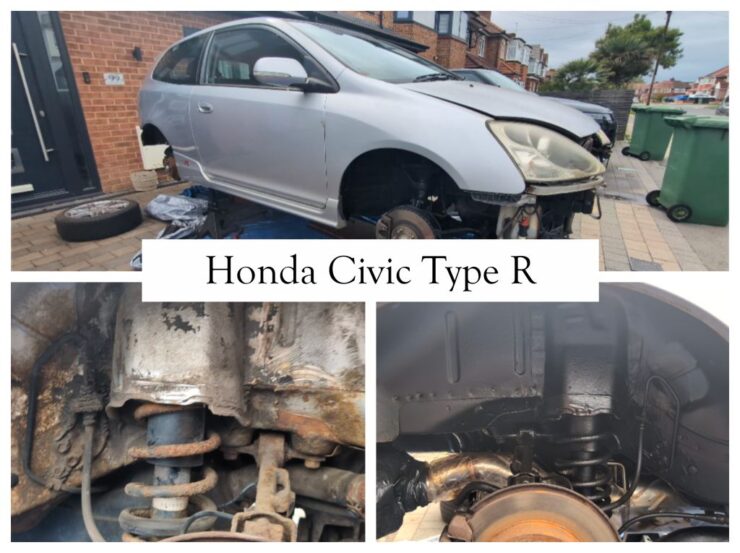
There are three main types:
1. Wax-Oil Based
- Great for cavities and boxed sections
- Good flexibility
- Needs reapplication every 2–3 years
2. Rubberized Underseal
- Strong protection against road debris
- Better sound-deadening
- Ideal for cars with clean underbodies
3. Epoxy-Based Coatings
- Very durable
- Best when applied to new metal
- More expensive and requires longer prep
For most daily cars in London, wax-based or rubber-based underseal is the best balance between cost and durability.
Conclusion
London and South East England have dozens of garages capable of doing underseal, but only a handful specialise in rust removal and long-lasting protection. If you want convenience, professional prep work, and coatings specifically designed for the UK climate, Mobile Rust Doctor is currently one of the top choices because they bring the workshop to you and focus exclusively on rust treatment rather than general car repairs.
Whether you commute through central London traffic, park by the coast in Brighton, or drive through muddy country roads in Surrey, proper rust protection is an investment that extends your car’s life, preserves its value, and prevents expensive repairs down the line. The key is choosing a service that understands corrosion—not just one that sprays over it.